










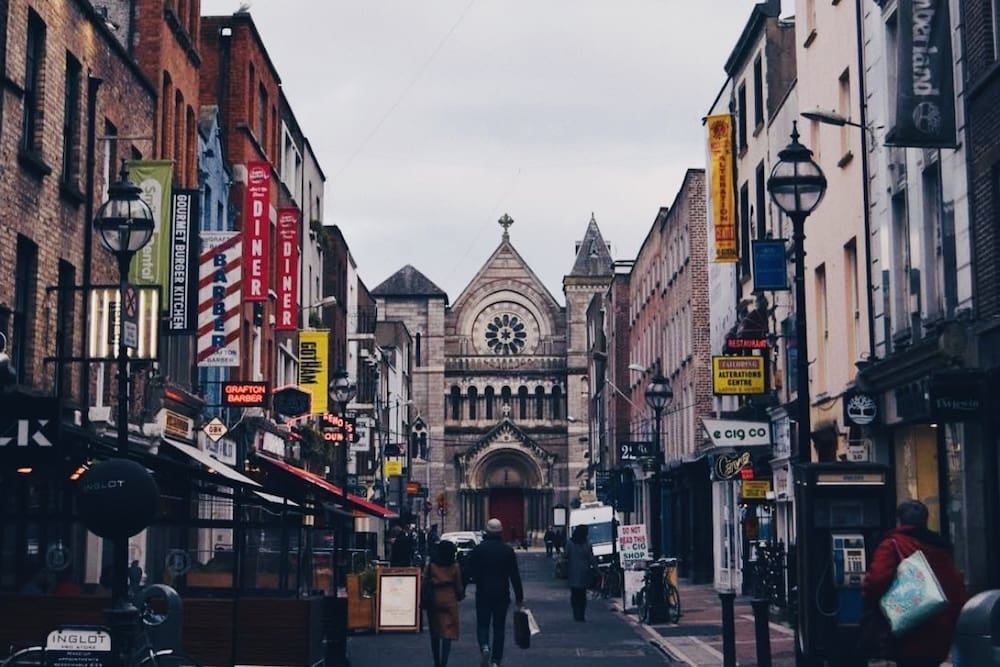
Dublin is a fairly compact city, but where you stay can make a big difference. Want old pubs, Georgian streets and plenty of history? Or would you rather wake up near the river, close to cafés and shops? Dublin has a neighborhood for both.
The city grew around the River Liffey, which still splits Dublin into its north and south sides. Some areas feel polished and elegant, while others are packed with students, artists, pubs and independent shops. Temple Bar gets most of the attention, but there’s much more to Dublin than its famous cobbled streets.
We’ve picked the best areas to stay in Dublin and what makes each one worth considering. We’ll also point out which neighborhoods are best for first-time visitors, nightlife, food, families and a quieter stay. So you can spend less time figuring out where to sleep and more time figuring out which pub to visit first.
In this travel guide:
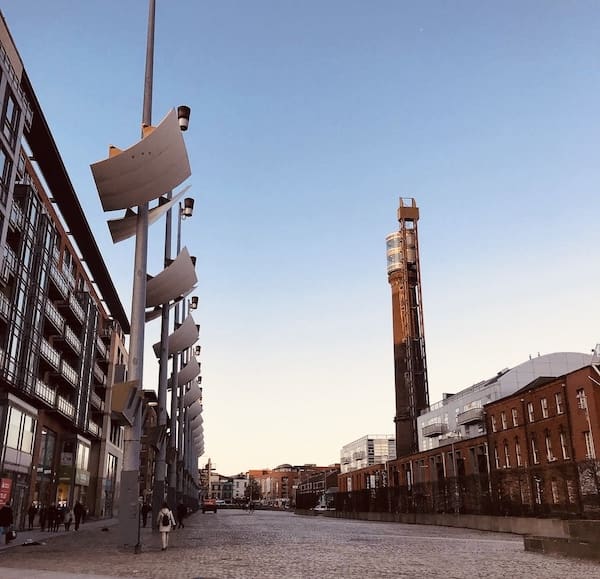
Smithfield
Best area for: hipster, nightlife
If you are looking for an authentic, local experience, staying in Smithfield is your best bet.
This area feels a little different from central Dublin. We’re still close to the main sights, but the pace is slower. The big cobbled square sits at the heart of the neighborhood, surrounded by apartments, cafés, pubs and a few seriously interesting old buildings.
The area has quite a history. Smithfield was a livestock and produce market from the 17th century, and horse trading remained part of its identity for centuries. The old market has disappeared, but the cobbles are still here. They were even lifted, cleaned and put back by hand during the area’s redevelopment.
For us, the Jameson Distillery is one of the obvious highlights. Whiskey was produced here from 1780 until 1970. Today, you can take a tour and climb the old chimney tower for city views. The nearby Light House Cinema is another Smithfield favorite. It’s an independent cinema with a strong focus on Irish and international films.
Smithfield is not purely a tourist district. People actually live here. There are plenty of modern apartments, local cafés and everyday businesses, which gives the area more of a neighborhood feel. Things get particularly lively around The Cobblestone, where traditional Irish music is played regularly.
For breakfast or lunch, we’d stop at Third Space Smithfield on the square. It’s relaxed, casual and handy for watching Smithfield go about its day.
Best place to stay in Smithfield
Hotel The Hendrick. Address: Smithfield Hendrick Street, Dublin, Ireland.
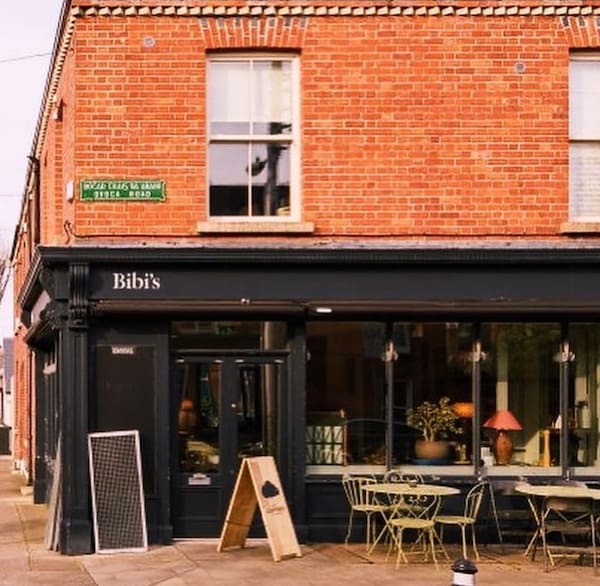
Portobello
Best area for: hipster, life like a local
Portobello is a little more hipster and is a more contemporary part of Dublin and has a younger crowd.
Portobello sits just south of the city center along the Grand Canal. Back in the 1800s, it grew rapidly into a classic Victorian suburb. Many Jewish refugees settled here in the late 19th century. That history gave it the longtime nickname “Little Jerusalem”.
Today, it is primarily a trendy residential neighborhood. You will notice far more locals strolling around than tourists. The red-brick terraces and leafy streets give the area a warm village vibe. On sunny days, everyone hangs out along the canal bank. People grab coffee, sit on the grass, and watch the swans float by.
The main attraction is really the atmosphere itself. You get historic brick housing mixed with independent brunch spots and cozy pubs.
When we want a fantastic lunch, we head straight to Bibi’s Café tucked away on Emorville Avenue. They make brilliant flat whites, incredible squash eggs, and fresh baked goods. Sitting in their cozy dining room feels like eating inside a friend’s stylish kitchen. It captures the easygoing energy of the neighborhood perfectly.
Best place to stay in Portobello
The Dean Hotel. Address: 33 Harcourt St, Saint Kevin’s, Dublin 2, Ireland.
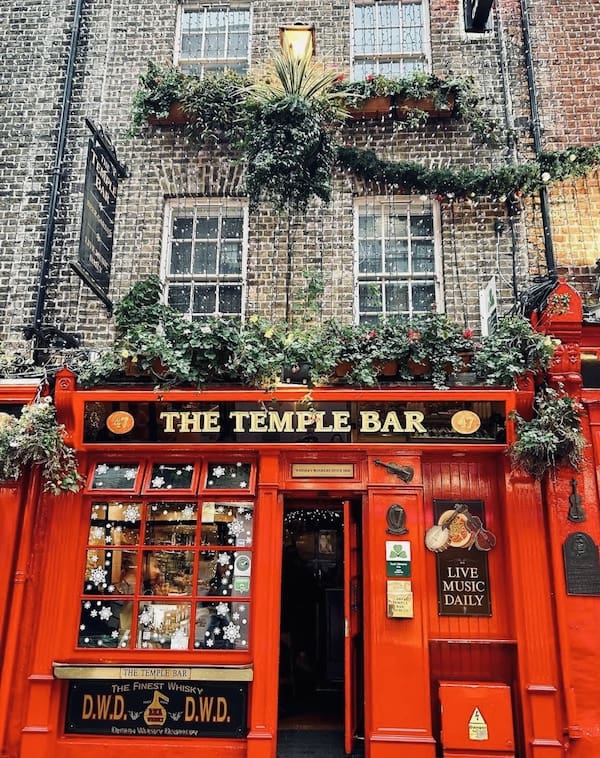
Temple Bar
Best area for: nightlife, tourists, culture
Temple Bar is the part of Dublin everyone has heard about. Cobblestone streets, colourful pubs, live music and plenty of people taking photos. It can feel very touristy, especially in the evening. And honestly, that is exactly what it is. But after spending time here, we found there is more to it than pints and pub crawls.
The area sits between the River Liffey and Dame Street, right in the middle of Dublin. It has a surprisingly complicated past. In the 1980s, much of Temple Bar was threatened with demolition to make way for a huge bus station. That plan was abandoned, and the area was gradually transformed into Dublin’s cultural quarter.
We go here for the atmosphere, but also for the galleries, independent shops and cultural venues. The Irish Film Institute is here, as are Photo Museum Ireland and the Button Factory. Meeting House Square regularly hosts markets and events too.
It is not really a quiet residential neighborhood. Around 2,000 people live here, but millions of visitors pass through every year. So expect crowds, particularly on Friday and Saturday nights.
For breakfast or lunch, we would happily stop at Joy of Chá on Essex Street. It is a good excuse to escape the pub-heavy streets for a while. For the classic Temple Bar experience, there is always The Temple Bar Pub, although we would save that for a drink rather than dinner.
Best place to stay in Temple Bar
Hotel The Clarence. Address: 6-8 Wellington Quay, Temple Bar, Dublin 2, D02 HT44, Ireland.
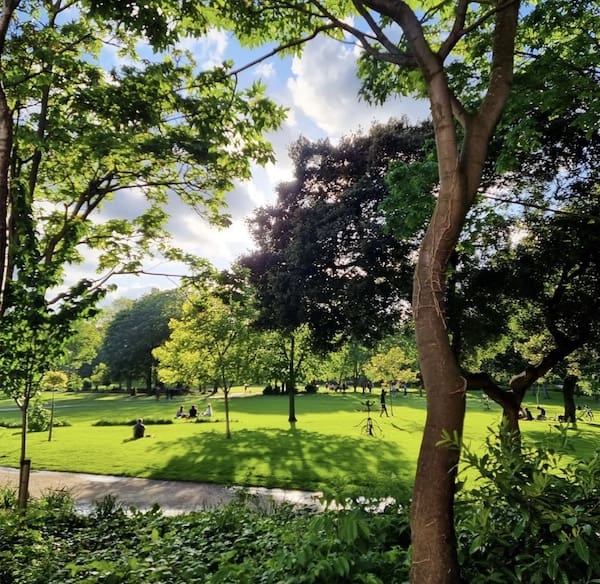
Merrion Square
Best area for: culture, history, luxury
Merrion Square is easily one of Dublin’s most charming spots. Built back in the 1700s, this area is the gold standard for Irish Georgian architecture. Today, it functions mostly as a high-end commercial and tourist hub. Beautiful, brightly painted front doors line the perimeter. You will find government offices, embassies, and cultural spots rather than everyday apartments.
The history here is incredible. Famous literary figures used to live in these handsome brick townhouses. Oscar Wilde grew up at Number 1, and W.B. Yeats called the square home too.
The main draw is the central gated park. It is packed with cool statues, including a famous colorful sculpture of a lounging Oscar Wilde. The National Gallery sits right on the edge, making it an easy pit stop.
When we need a top-tier espresso and a warm pastry, we pop over to Coffeeangel on nearby Merrion Row. It is a cozy little coffee bar with fantastic flat whites. It gives you the perfect quick rest before you dive back into Dublin’s historic streets.
Best place to stay in Merrion Square
The Merrion Hotel. Address: Merrion Street Upper, Dublin 2, Ireland.
Cheaper alternative:
Hotel The Mont. Address: Merrion Square, D2 Dublin, Ireland.
The Docklands
Best area for: riverside, upscale
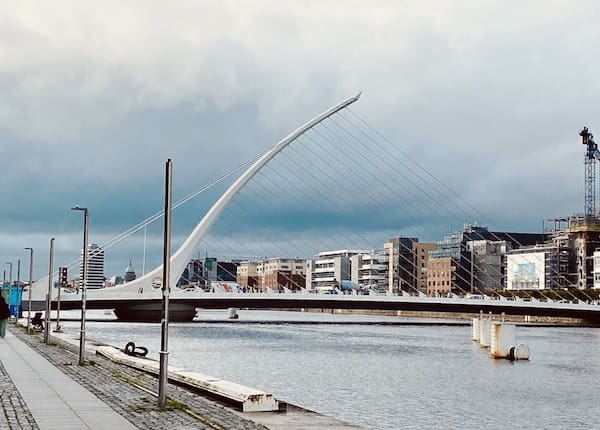
Dublin’s Docklands feels quite different from the older parts of the city. The historic warehouses and port buildings are mixed with glass offices, modern apartments and some seriously futuristic architecture. It is one of the areas that shows how much Dublin has changed.
The Docklands was once a busy working port. Ships, warehouses, railway lines and factories dominated the area. The docks also played an important role during the Great Famine, when thousands of Irish people left the country. Today, much of that industrial past has been replaced by offices and apartments. The area even picked up the nickname “Silicon Docks” because of the concentration of tech companies.
For visitors, there is plenty to see. We usually make a point of visiting EPIC The Irish Emigration Museum and the Jeanie Johnston, the replica famine ship moored beside the Liffey. The Samuel Beckett Bridge is another highlight. Its unusual shape is inspired by an Irish harp, and the whole thing can rotate to let ships pass.
The River Liffey flows through The Docklands and offers beautiful, natural scenery. It is quite popular to rent a canoe or kayak and explore the city via the river. This is a unique way to spend a couple of hours exploring what Dublin has to offer.
Grand Canal Square is a good spot for a break. It has an eye-catching red carpet design and plenty of places to sit. For coffee, we would head to The Art of Coffee on Sir John Rogerson’s Quay.
The Docklands is more residential and business-focused than touristy. That can actually be a plus. It feels calmer than Temple Bar, while the city center is still an easy walk away.
Best place to stay in The Docklands
The Marker Hotel. Address: Grand Canal Square, Docklands, Dublin 2, D02 CK38, Ireland.
Where travel critics stay in Dublin
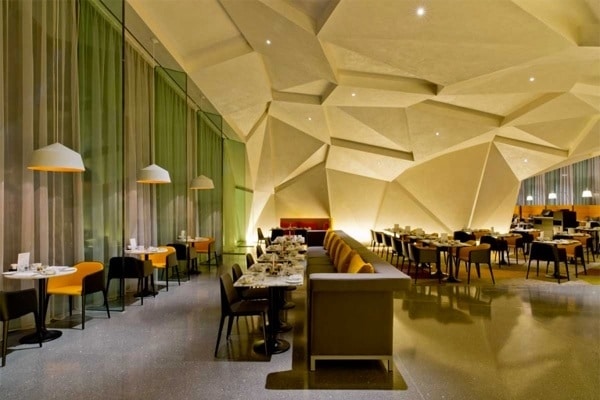
Want to know where travel critics from publishers like The New York Times, Frommer’s, Fodor’s and Lonely Planet stay in Dublin, Ireland? Check out our overview of all recommended hotels, hostels and B&Bs in Dublin.
Budget
“This hostel offers everything from cheap, breezy shared rooms to design-focused single and twin rooms and higher-end deluxe rooms. The restaurant serves a mean burger, too.” — Telegraph.
Address: Smithfield, Dublin 7, Ireland.
Mid-range
“The chic Iveagh Garden Hotel has rooms in a range of sizes, decked out in green and blue velvet accents and with generous bathrooms. The hotel backs onto the lush Iveagh Gardens and is walking distance from many city sights.” — New York Times.
Address: Dublin 2 72 Harcourt Street, Dublin, Ireland.
Luxury
The Shelbourne Renaissance Hotel.
“The Shelbourne has been the preferred halting post of the powerful and wealthy since 1824. Several owners and refurbs later it is now part of Marriott’s Renaissance portfolio, and while it has a couple of rivals in the luxury stakes, it cannot be beaten for heritage.” — Lonely Planet.
Address: 27 St Stephen’s Green, Dublin, Ireland.

FAQ: Dublin hotel tips
Looking for the best budget, boutique, or luxury hotel in Dublin? Or maybe you’re a backpacker looking for an excellent hostel? Want to know which Dublin hotel serves a great breakfast? Here are the answers to all those and other questions about where to stay in Dublin.
What is the best budget hotel in Dublin?
If you’re looking for a cheap hotel in Dublin, then book Drury Court Hotel. It’s an excellent budget hotel offering great value for money. It’s in a good location, it’s been recommended by travel experts and the hotel has excellent customer reviews. Also make sure you read our shortlist of the best cheap hotels in Dublin.
What is the best boutique hotel in Dublin?
You like some luxury but don’t like the famous chain hotels. If you’re looking for the best boutique hotel in Dublin, you should check out Wilder Townhouse. It’s a very cool hotel that has been highly recommended by travelers and experts. Also check out our list of the best boutique hotels in Dublin, it’s a manually curated list of the most unique and romantic hotels in the city.
What is the best luxury hotel in Dublin?
If money isn’t a problem and you’re looking for a luxury hotel in Dublin, then go for The Merrion Hotel. The hotel offers excellent service, it’s in a top location, it has been rated very highly by previous guests and renowned travel critics have recommended it. Also make sure you read our shortlist of the best luxury hotels in Dublin, it’s a manually curated list of the most exclusive 5-star hotels in the city.
What is the best hostel in Dublin?
If you’re looking for a great hostel in Dublin, then you should check out Jacobs Inn Hostel. The hostel has magnificent reviews by backpackers, it has been recommended by well-known travel experts and it’s in a good location. Also check out our list of the best hostels in Dublin.
What is the best bed & breakfast in Dublin?
Looking for a cozy place to stay in Dublin that serves you handmade and fresh breakfast in the morning? Go and check out Aberdeen Lodge B&B. The B&B has been recommended by well-known travel experts and recent guests have given it top ratings.
Which Dublin hotel serves great breakfast?
Try The Conrad Hotel if you’re looking for a delicious breakfast. The Dublin hotel has excellent customer review ratings for breakfast.
How much does it cost to stay in a Dublin hotel?
For a 3-star hotel, you have to pay around $170 per night and for a 4-star hotel, you would be looking at $220 per night. If you’re after a luxury 5-star Dublin hotel then you can expect to pay around $380 per night.
Which Dublin hotels have the best rooftop bars?
If you’re looking for a great place to have a drink with a view, then try The Marker Hotel or The Dean Hotel. Both hotels have excellent reviews for their rooftop bars.
Best time to visit Dublin
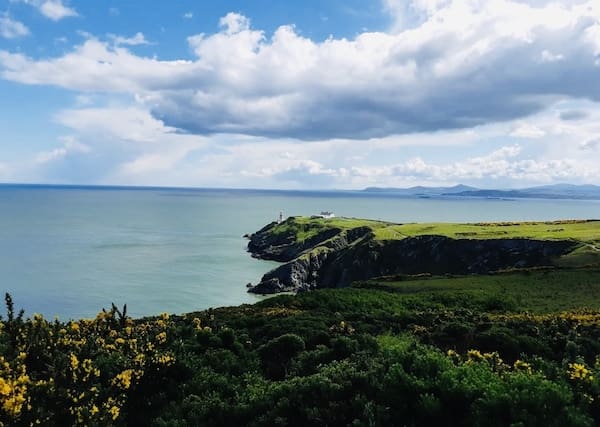
The Irish capital is known for its mild climate, and the best time to visit Dublin for pleasant weather is between May and September. During this period, you’ll experience longer days, warmer temperatures, and relatively less rainfall.
Imagine basking in the sunshine as you stroll through the charming streets lined with Georgian architecture or enjoying a picnic in one of Dublin’s picturesque parks – bliss!
For those who love festivities, the best time to visit Dublin is undoubtedly during March, when the entire city comes alive for the world-famous St. Patrick’s Day celebrations.
This week-long festival attracts visitors from around the globe, making it a fantastic time to soak in the exuberant atmosphere, witness the spectacular parades, and enjoy traditional Irish music and dancing. Just be prepared for the crowds and book your accommodations in advance!
If you’re a literature enthusiast, you won’t want to miss the annual Bloomsday Festival in June, which celebrates the life and works of James Joyce. This unique event offers walking tours, readings, and performances, providing an incredible opportunity to immerse yourself in Dublin’s rich literary history.
Best things to do in Dublin
There are plenty of things to do in Dublin and surrounding areas, including day trips, attractions, museums, sightseeing tours and many other activities. Here’s our list of 3 things you should definitely do when you’re in and around Dublin:
Cliffs of Moher Tour Including Wild Atlantic Way and Galway City from Dublin
From the comfort of a luxury coach, admire stunning Irish countryside and travel along the Wild Atlantic Way to the incredible 700-foot high Cliffs of Moher. Price: $54. More info.
Guinness Storehouse Tour & Pint
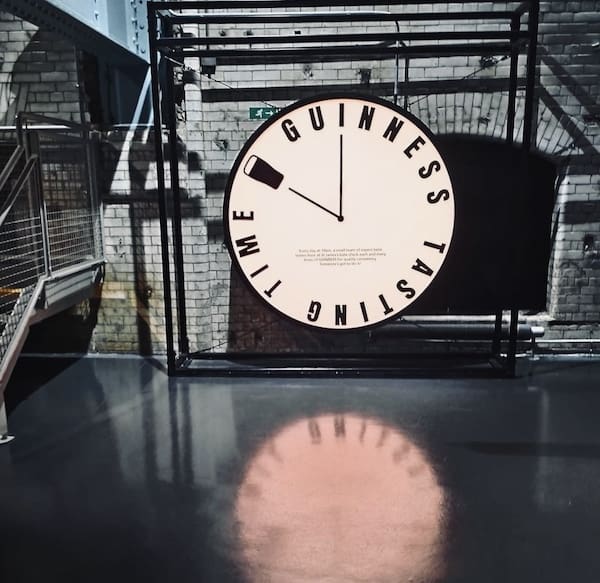
More than a million people a year visit the home of Guinness, and most agree that it’s a high point of a trip to Dublin. Take a self-guided tour of the Guinness Storehouse, learn all about world-famous Guinness Stout, and enjoy a complimentary pint. Price: $23. More info.
Discover Dublin By Boat
See Dublin from the River Liffey on a 45-minute boat cruise, and admire the city’s monuments from the water. Learn the history of Dublin, from the arrival of the Vikings to the rapid development of the city in the 18th and 19th centuries. Price: $18. More info.
Deciding where to stay in Dublin
Let’s recap what we just learned in this article. We’ve covered the best areas of Dublin above. Now you can decide where to stay while visiting!
Top 5 neighborhoods to stay in Dublin
- Smithfield
- Docklands
- Merrion Square
- Temple Bar
- Portobello
As you have seen in this travel guide, there are a lot of things to explore, and deciding where to stay in Dublin is important. Whether you stay in Smithfield, Docklands, Merrion Square, Temple Bar or Portobello, all those neighborhoods are in good locations.
The atmosphere of the area, whether you travel for leisure or business, whether you travel with your family or friends, and proximity to the attractions you prefer to visit should probably be the deciding factors. Whatever your preference is, you’ll have a great stay in Dublin.
Dublin overview
| 🏨 Hotel prices: | High |
| 🛏 Budget hotel: | $90 |
| 💑 Boutique hotel: | $200 |
| ⭐ 5-star hotel: | $340 |
| 🌎 Best area for first visit: | Temple Bar |
| 👪 Best area for families: | Merrion Square |
| 💎 Best luxury hotel: | The Merrion Hotel |
| 👫 Best boutique hotel: | The Mont |
| 💰 Best cheap hotel: | Harding Hotel |
| 🎒 Best hostel: | Jacobs Inn Hostel |
More Dublin tips
See our other guides about the best places to stay in Dublin: