














The city’s magnetic appeal lies in its breathtaking fusion of ancient architectural marvels and the vibrant, modern-day vitality of its bustling street life. We’ve handpicked the best hotels in Rome, based on expert recommendations and thousands of genuine guest reviews. All of our recommended hotels have a review rating of at least 4 out of 5 stars.
Best cheap hotel in Rome: Hotel Virgilio
Best boutique hotel in Rome: Chapter Roma
Best luxury hotel in Rome: Hotel de Russie


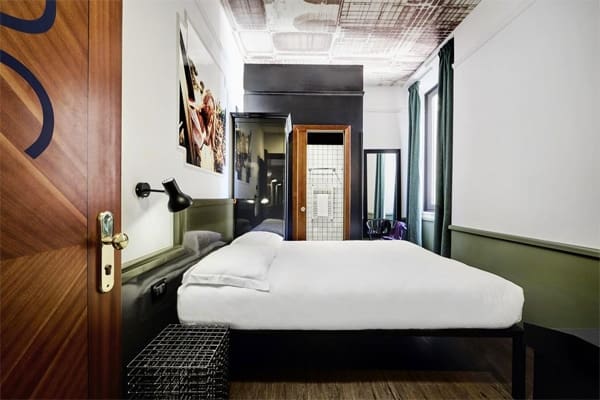
Generator Rome is located in the Esquilino district, set inside a beautiful 19th-century building that captures the historic grandeur of the city. While the exterior retains its classic Roman architecture, the interior is a masterclass in modern design, courtesy of the renowned design firm The Lab. They successfully blended industrial chic with the building's original structural bones, creating a space that feels both historic and edgy.
Lonely Planet + 1 more“Hostelling just got a whole lot smarter in Rome thanks to this designer hostel which, quite frankly, is more uber-cool hotel in mood – 72% of the 174 beds here languish in bright white private rooms with sharp bathrooms, and dorms max out at four beds.”

YellowSquare in Rome is far more than just a place to sleep; it’s a high-energy social hub born from humble beginnings. What started in 1999 as a single apartment renting out a few beds has evolved into an expansive "square" designed specifically to foster connection. It’s a favorite for solo travelers looking for a community-focused experience, offering everything from dorms to private rooms.
Telegraph“Rome’s premier party hostel is ideal for travellers in their 20s looking for a comfortable bed and an interactive social scene. It has creative and artsy vibe, and a rooftop terrace and small garden hang-out for film screenings during the summer months.”
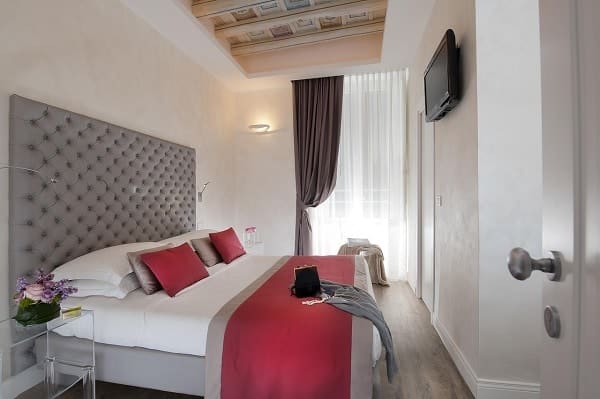
Hotel Navona is a real hidden gem housed in a historic 15th-century building right in the heart of Rome. The hotel is situated in the former residence of the noble Pamphilj family, and you can still feel the weight of history in its high ceilings and authentic architectural details. It sits just steps away from the bustling Piazza Navona, one of the city's most iconic spots.
CNN“Location is really the key to this unpretentious establishment. The hotel is within easy walking distance of Campo de’ Fiori and the Pantheon and Hotel Navona is on one of the quieter streets.”
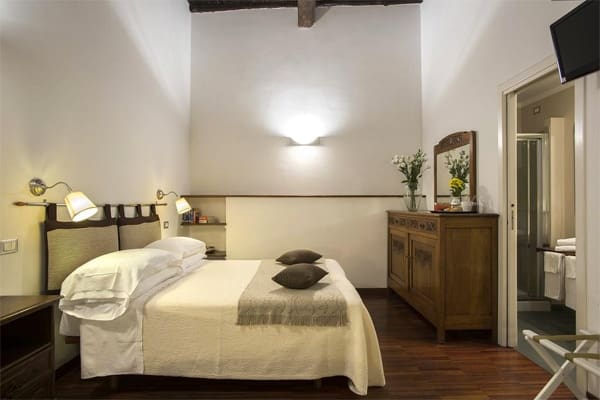
In the historic heart of Rome, B&B Arco di Lauro offers a uniquely authentic experience. The property is located within a charming building that dates back to the 17th century, providing guests with a rare chance to stay inside a piece of Roman history. The name itself hints at the site's past, as it is situated near an ancient architectural archway that once served as a medieval entrance for noble families.
Lonely Planet“Perfectly placed on a peaceful cobbled lane in the ‘quiet side’ of Trastevere, this ground-floor guesthouse sports six gleaming white rooms with parquet floors, a modern low-key look and well-equipped bathrooms.”

Boutique Hotel Campo de' Fiori offers a whimsical escape that feels like stepping back in time. Housed in a traditional 19th-century Roman building, the property is famous for its distinct, antique-inspired decor. Each room is adorned with rich fabrics, hand-painted murals, and authentic period furniture, creating an atmosphere of classic Italian elegance that feels deeply connected to the city’s storied past.
CNN + 1 more“The best thing about this hotel is its private rooftop terrace, with a 360-degree city view so good that people sit up there even on cold winter evenings. This homey, four-star pad has comfortable baroque-style rooms with expensive drapes, wooden beams and sparkling chandeliers.”
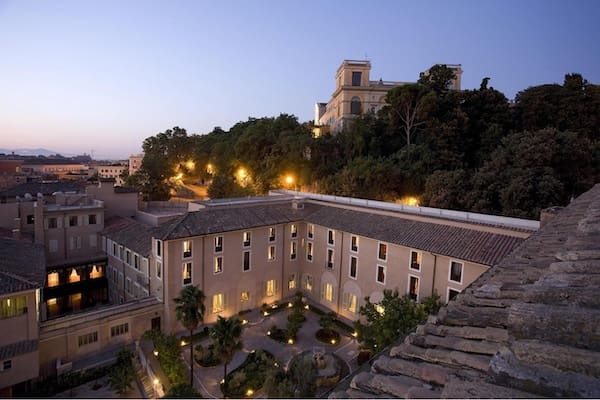
Donna Camilla Savelli is a fascinating boutique hotel located in the heart of Rome’s vibrant Trastevere district. Originally commissioned in 1642 by the noblewoman Camilla Savelli, the building was designed by the legendary Baroque architect Francesco Borromini. For centuries, it served as a cloistered convent for nuns, and remarkably, a small group of sisters still resides in a secluded, private part of the property today.
New York Times + 1 more“Donna Camilla Savelli, in a quiet corner of Trastevere, has 78 rooms housed in a Baroque monastery with a grand staircase, courtyard garden and lots of Old World charm.”
Featured in New York Times’ 36 Hours in Rome.
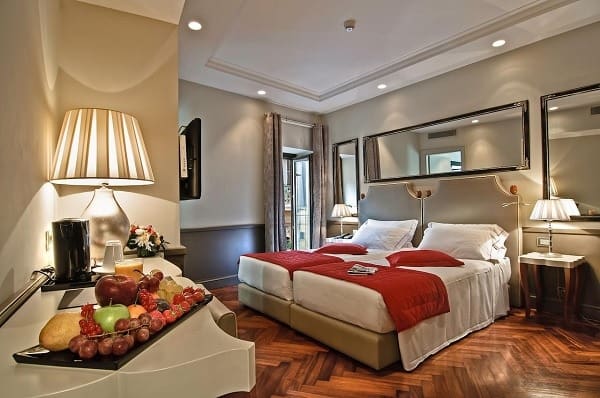
Hotel Lunetta is a hidden gem in central Rome, occupying a historic building that dates back to the 14th century. Once known as the Albergo della Luna, the site has served as an inn for pilgrims and travelers for hundreds of years. Today, it beautifully marries medieval foundations with modern, refined luxury.
CNN“This four-star hotel near Campo de’ Fiori will wow you with its ultra-modern black-and-white marble interiors and 30 recently refurbished rooms, but it’s a surprise in the basement that’ll have you posting on Facebook — the original Roman-era walls of the Theater of Pompey.”

The Inn at the Roman Forum is easily one of the most unique places to stay in Rome. Located on a quiet side street, this boutique hotel is built directly into a private palazzo that houses a 2,000-year-old subterranean ruin. Guests can actually explore these ancient remnants, which include a gallery of stone inscriptions, right beneath the hotel’s lobby.
Frommers + 1 more“The name doesn’t lie. This small hotel is tucked down a medieval lane, on the edge of Monti and with the forums of several Roman emperors as neighbors. Its midsized rooms are sumptuously decorated.”
Featured as Frommer’s Exceptional Choice in Rome.
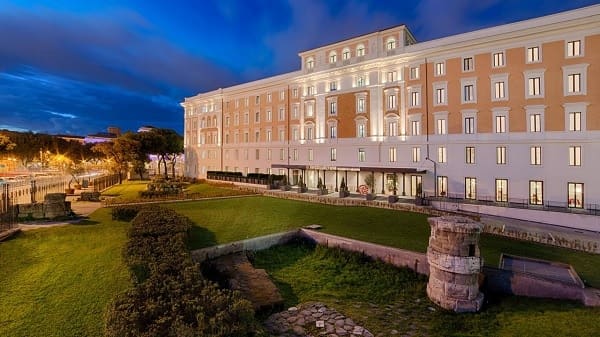
The NH Collection Roma Palazzo Cinquecento is a fascinating blend of history and modernity. Located in a grand building dating back to the early 1900s, it originally served as the headquarters for the Italian national postal and railway companies. After a major renovation in 2015, the property transformed into a contemporary hotel while preserving its classic architectural soul.
New York Times + 1 more“Travelers arriving by train will appreciate the hotel’s quiet, easily accessed location. And those who have seen and done Rome’s main sights may appreciate its proximity to lesser-known ones.”
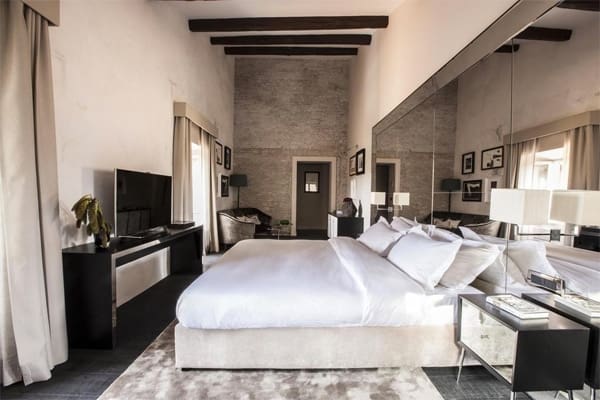
The D.O.M. Hotel is located on the historic Via Giulia, one of the city's oldest and most prestigious streets. Housed within a 17th-century palace, the building has led many lives—from a noble residence to a Claretian monastery, and even as office space for the Italian Ministry of Justice during the 20th century. Its name is an abbreviation of the Latin phrase "Deo Optimo Maximo," inspired by an inscription found on an adjacent church.
New York Times + 1 more“In a 17th-century palazzo in the historic center, D. O. M is a luxurious hotel with 24 rooms and suites that opened in late 2013. The richly textured décor is an appealing mix of old and new — think artworks ranging from Renaissance-era marble inscriptions to Andy Warhol silk-screens — and the clubby rooftop terrace is a new hot spot for aperitivi in warmer months.”
Featured in New York Times’ 36 Hours in Rome.
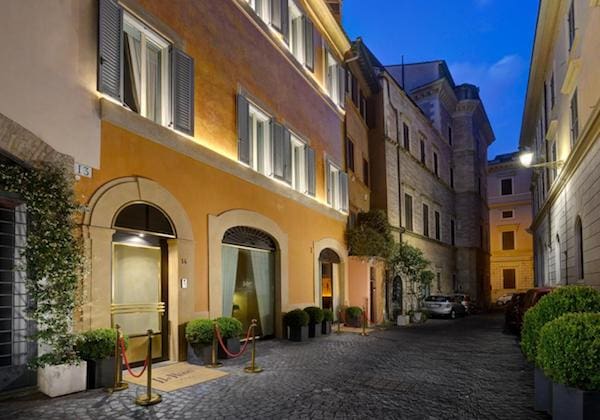
Hotel De' Ricci is an exclusive, wine-centric boutique hotel tucked away in the historic heart of Rome, near the bustling Piazza Navona. Housed within an 18th-century noble palazzo, the property perfectly captures the city's aristocratic past. It was thoughtfully transformed into a luxury residence by the local Ricci family, who aimed to create a home-away-from-home for wine connoisseurs.
CN Traveler + 1 more“Old school lushes and anyone who enjoys a tipple will love Hotel De’ Ricci. This is a place that’s all about the wine, with eight seriously smart rooms. You get the feeling you’re somewhere swanky the moment you walk in, all secluded booths, low lighting, and draped curtains.”
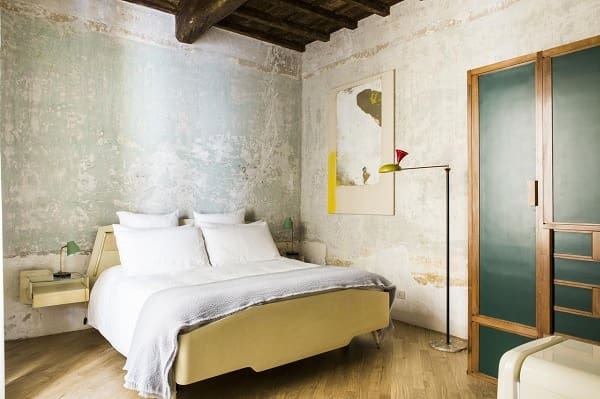
G-Rough is a unique boutique hotel housed in a stunning 17th-century building just steps from Rome’s iconic Piazza Navona. Owned by Gabriele Salini, a seventh-generation Roman, the property was originally his family home. Salini transformed the historic townhouse into a "rough-luxe" sanctuary, intentionally keeping original frescoes and distressed walls exposed to create a fascinating tension between the building's ancient roots and modern artistic interventions.
New York Times + 1 more“Like a Fellini film, the G-Rough deftly balances the refined and the rugged, creating a sophisticated hotel with both a sense of place and a sense of style.”

Hotel Locarno in Rome is an iconic institution with over a century of history. Opened in 1925 by Swiss founders who named it after their hometown, the hotel has remained a constant presence in the city, famously never closing its doors—even during the Nazi occupation of Rome in World War II, when it was used by German and later American soldiers.
New York Times + 1 more“The Hotel Locarno, with generous high-ceilinged rooms, a fabulous bar and a lovely courtyard, is an oasis of class and tranquillity a stone’s throw from Piazza del Popolo.”
Featured in New York Times’ 36 Hours in Rome.
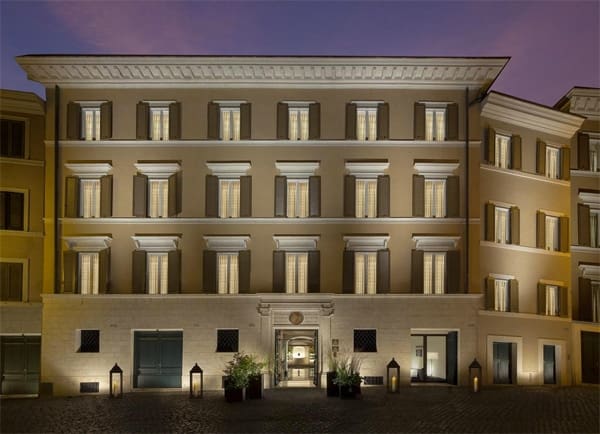
Palazzo Scanderbeg is a hidden gem tucked into a quiet square just steps away from the bustling Trevi Fountain. Dating back to the 15th century, the building was originally the residence of the Albanian national hero George Castriot, known as Scanderbeg, who settled there in 1466. After centuries of history—and even a stint as a pasta museum—it has been carefully restored into an elegant, boutique-style hotel.
CNN + 1 more“Built in the 15th century, this beautifully renovated palazzo offers a collection of apartment-style suites perfect for large families and groups. Each minimalist-modern apartment offers large bedrooms, sprawling living spaces and sleek kitchens equipped with designer Alessi appliances.”
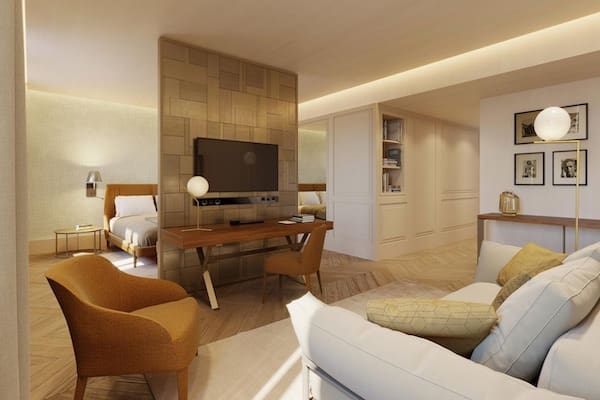
Hotel Margutta 19 is an intimate five-star boutique retreat tucked away on Via Margutta, Rome’s legendary "artists’ street." Housed in a beautifully restored historic palazzo, the property sits on a quiet, ivy-draped lane where legends like Federico Fellini once lived. The building’s interiors were reimagined by the Arassociati studio, which masterfully blended classic Roman architecture with sophisticated, contemporary Italian design.
New York Times + 1 more“Across the piazza on a quaintly picturesque street, the year-and-a-half old Margutta 19 offers 16 plush, modern rooms and suites surrounding a terraced green hillside.”
Featured in New York Times’ 36 Hours in Rome.
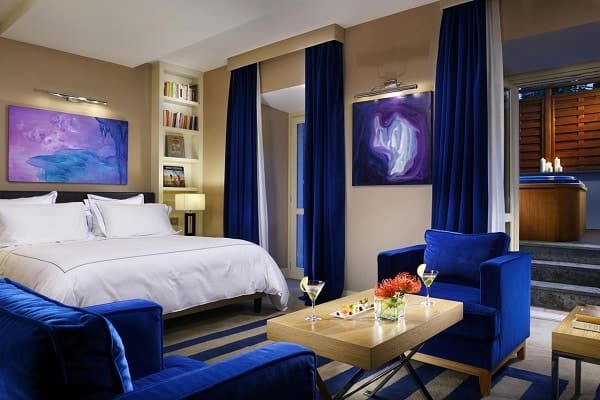
The First Roma Arte is a sophisticated boutique hotel nestled within a meticulously restored 19th-century palace in the heart of Rome. Far from your typical tourist hotel, it functions as a living, breathing art gallery. With over 150 original contemporary works dispersed throughout its common areas and guest rooms, the property celebrates Italy’s modern creative spirit while honoring its historic architectural roots.
CNN“This super-chic, five-star art hotel just around the corner from Piazza del Popolo attracts well-heeled guests who want a base in the heart of Rome’s shopping district. The First offers one of Rome’s best views: roof-top tiles, domes and bell towers.”
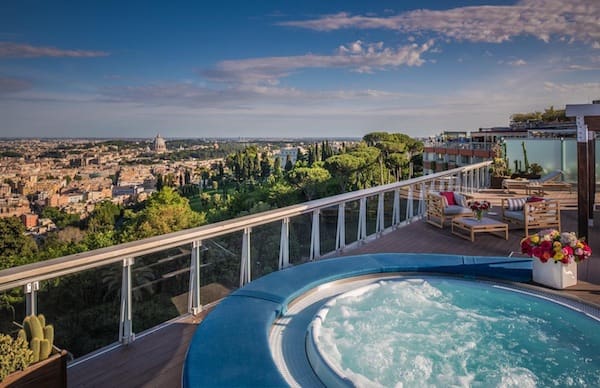
The Rome Cavalieri, A Waldorf Astoria Resort, is an iconic sanctuary perched atop Monte Mario, Rome’s highest hilltop. Inaugurated in 1963 by Conrad N. Hilton, the hotel was designed by architects Ugo Luccichenti and Pier Luigi Nervi as a showcase of 1960s modular architecture. Its 15-acre Mediterranean park setting offers a tranquil escape from the city’s bustle while providing breathtaking, panoramic views of Saint Peter’s Basilica and the historic center.
CN Traveler + 1 more“Arriving at the Cavalieri feels a bit like stepping into Rome’s bygone era, a time of endless manicured gardens, cheery butlers, and azure swimming pools where cocktails can be taken at any time of the day, darling.”

W Rome is a masterclass in blending history with modern, high-energy luxury. Housed across two restored 19th-century palazzos, the hotel was reimagined by the New York-based design firm Meyer Davis. Instead of opting for a minimalist approach, they embraced a "Masters of Addition" philosophy, layering the historic stone walls with bold, contemporary patterns, vibrant color blocking, and a playful 1970s-inspired aesthetic that feels uniquely Roman yet undeniably fresh.
New York Times + 2 more“W Rome, near Villa Borghese Park, has 162 rooms in two 19th-century palazzi. It offers marble bathrooms, velvet curtains and a skylit lounge.”
Featured in New York Times’ 36 Hours in Rome.

Palazzo Roma is a masterclass in blending aristocratic history with modern luxury. Located on the bustling Via del Corso, this 16th-century palace was once the residence of noble families and later a venue for high-brow cultural gatherings. Expertly restored and opened as a hotel in 2023, the building itself functions like a private museum, featuring original frescoes, precious marbles, and a grand staircase that transports guests back to the Renaissance.
CN Traveler + 1 more“In the Eternal City, where a new five-star hotel has cropped up seemingly daily in recent years, the property is something truly singular: a spectacularly refurbished, early 18th century palazzo, awash with newly restored, pastel-hued frescoes, showstopping artworks, and centuries-old antiques–offering palatially proportioned rooms fit for royalty, smack in the heart of the buzzing historic center.”

Palazzo Talìa is a breathtaking boutique hotel housed in a 16th-century building that once served as the prestigious Nazarene College. After a meticulous restoration completed in 2024, this historic landmark has been reborn under the creative direction of renowned film director Luca Guadagnino and his design studio. The property seamlessly blends centuries of history with a modern, cinematic aesthetic that feels more like a private art collector’s home than a traditional hotel.
Travel+Leisure + 2 more“The hotel’s buzz is due to its provocative mix of old and new. The fresco-filled palazzo, built initially for a fabulously wealthy papal secretary, has long been renowned in Rome as home to the Colegio Nazareno, the oldest teaching institution in the city.”
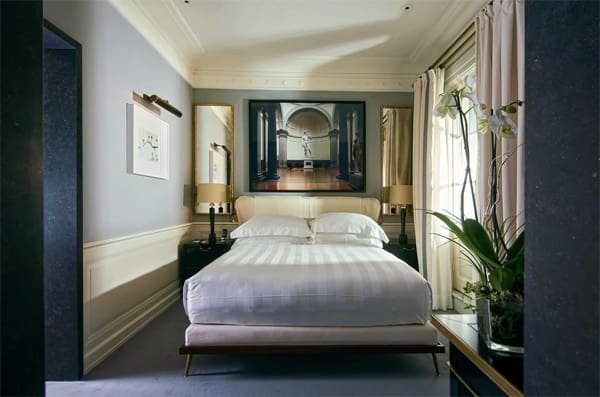
J.K. Place Roma is a luxurious boutique hotel that feels more like an exclusive private townhouse than a traditional hotel. Housed in a building that formerly served as a school of architecture, the property is defined by its sophisticated, residential atmosphere. The interiors were masterfully imagined by Florentine designer Michele Bönan, who drew inspiration from the 1950s La Dolce Vita era and a modern, retro-chic aesthetic.
New York Times + 2 more“Midcentury furniture mingles with marble sculptures at the J.K. Place Roma, a 30-room hotel that opened in 2013. The eye-catching design by the architect Michele Bönan features colorful palettes, stately four-poster beds and common spaces adorned with Berber rugs and a futuristic chandelier.”
Featured in New York Times’ 36 Hours in Rome.
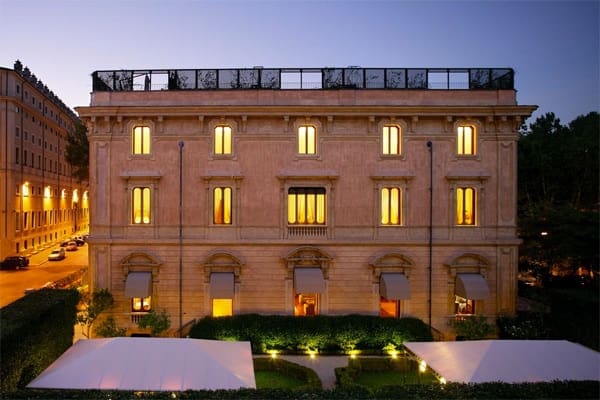
Villa Spalletti Trivelli is a remarkably intimate retreat in central Rome. Completed in 1904 by architect Domenico Avenali, the villa was originally the private residence of Countess Gabriella Rasponi, a niece of Napoleon’s sister. It served as a prestigious political and cultural salon, hosting influential writers and politicians, and remarkably, the family still owns and manages the property today.
Lonely Planet + 3 more“This glorious boutique hotel resides in a mansion fitted out with 16th-century tapestries, antique books and original period furnishings. Its 14 romantic suites are elegantly decorated, with lovely green garden views.”
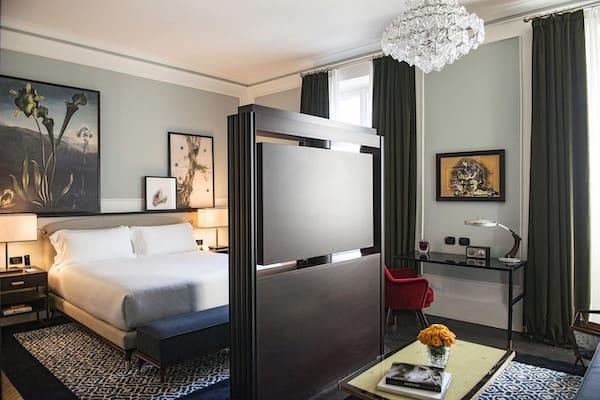
Hotel Vilòn is an exceptionally elegant boutique retreat in Rome’s historic center. Housed within a 16th-century annex of the grand Palazzo Borghese, the building’s history is fascinating; it once served as a private residence for the aristocratic Borghese family and later functioned as a school for underprivileged girls. Today, it offers a serene, almost monastic quiet despite being just steps from the city's main attractions.
CN Traveler + 1 more“The quiet, confident arrival of the Vilòn gave Rome a boutique hotel to showcase the city’s sharp sophistication, which too often gets lost among its antiquities. The Vilòn stylishly captures a vital facet of the direction the city is headed in.”
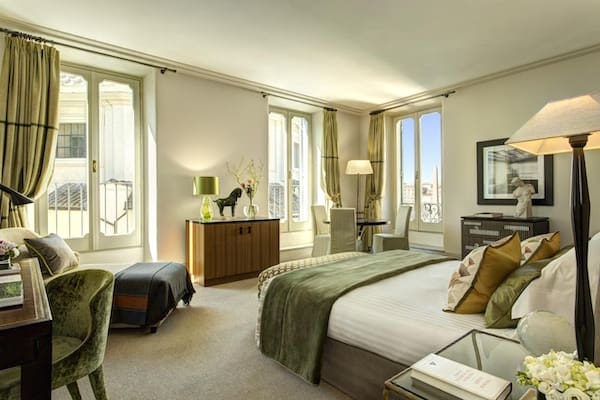
Rocco Forte Hotel de Russie is a Roman icon nestled between the vibrant Piazza del Popolo and the famous Spanish Steps. Originally designed in the early 19th century by the celebrated architect Giuseppe Valadier, the building has led a storied life. It served as a hub for artists and aristocrats—famously hosting Pablo Picasso and Jean Cocteau in 1917—before later becoming the headquarters for Italy’s national television network, RAI.
CN Traveler + 1 more“The 120-room hotel just off Piazza del Popolo mixes Art Deco–tinged nods to Rome’s classical past with jazzy homages to Picasso and ballet legend Nijinsky, who stayed here in its previous incarnation.”
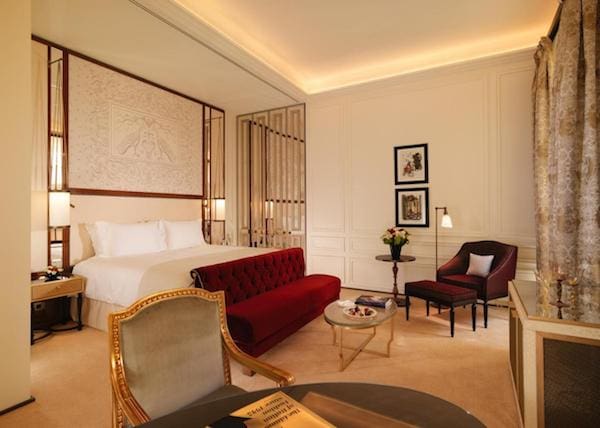
Hotel Eden, part of the prestigious Dorchester Collection, is one of Rome’s most legendary luxury properties. Opened in 1889, it holds the title of the first hotel in the city to feature modern essentials like electricity, an elevator, and running water. Over the decades, it has hosted a who's who of global icons, from royalty and popes to screen legends like Audrey Hepburn and Ingrid Bergman.
CN Traveler + 2 more“It is elegant and calm, with marble floors, a gold-lit ceiling and vases of freshly-picked flowers in every corner. Everything is flawless, but it’s the staff that truly stand out, taking care of guests’ every need, from tour bookings to dinner reservations.”
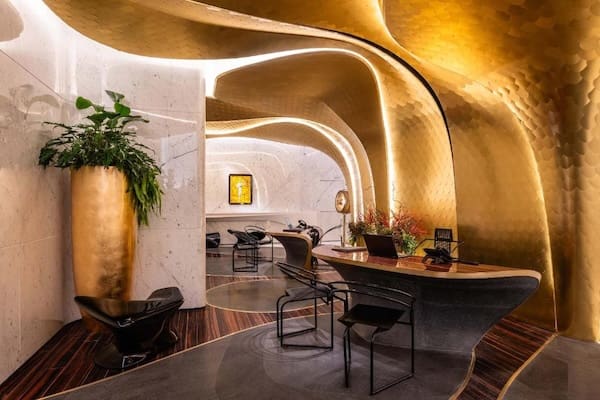
ROMEO Roma is a stunning fusion of history and cutting-edge design, housed within the 16th-century Palazzo Capponi. One of the final architectural projects by the legendary Zaha Hadid, the hotel masterfully contrasts the building's Renaissance rigidity with her signature fluid, futuristic lines. It is a true sensory experience, featuring dark ebony finishes, sculptural staircases, and even original restored frescoes in some suites.
CN Traveler + 2 more“When you step into Romeo Roma, you will immediately find yourself in a truly unique place. That’s partly thanks to Zaha Hadid—there’s Carrara marble honed into bold curves, Makassar ebony, and a design reminiscent of a spaceship from the future.”
Recommended by:
Lonely Planet, Telegraph
Recommended by:
Telegraph
Recommended by:
CNN
Recommended by:
Lonely Planet
Recommended by:
CNN, Telegraph
Recommended by:
New York Times, Lonely Planet
Recommended by:
CNN
Recommended by:
Frommers, Lonely Planet
Recommended by:
New York Times, Telegraph
Recommended by:
New York Times, Telegraph
Recommended by:
CN Traveler, Telegraph
Recommended by:
New York Times, Telegraph
Recommended by:
New York Times, Telegraph
Recommended by:
CNN, Telegraph
Recommended by:
New York Times, Telegraph
Recommended by:
CNN
Recommended by:
CN Traveler, Forbes
Recommended by:
New York Times, CN Traveler, Fodors
Recommended by:
CN Traveler, Telegraph
Recommended by:
Travel+Leisure, CN Traveler, Telegraph
Recommended by:
New York Times, Forbes, Telegraph
Recommended by:
Lonely Planet, Frommers, Forbes, Telegraph
Recommended by:
CN Traveler, Telegraph
Recommended by:
CN Traveler, Forbes
Recommended by:
CN Traveler, Telegraph, Forbes
Recommended by:
CN Traveler, Telegraph, Wallpaper
The cradle of modern civilisation, it has a history of more than 3000 years, which is very much evident in present-day Rome too. It is home to some of the most iconic wonders of Christendom, the creation of Renaissance masters.
Trastevere
Its quaint cobbled streets are lined by several pubs and restaurants which are popular amongst both locals and tourists. You will find several hotels located here, catering to various budgets.
Trevi
It is a vivacious neighbourhood, making it a favourite haunt of tourists. There are street vendors selling a variety of wares, delectable food, and Italy's famous gelato. There are some top-notch restaurants here as well. A number of hotels are present overlooking the famous fountain and square.
Ostiense
There are several hipster bars and discotheques, making it a popular haunt of youngsters. The Eataly superstore houses 4 floors of restaurants, bars and other gourmet items. Some of the luxury hotels are located here.
Esquilino
It is one of the primary attractions of Rome, the site of the Church of Santa Maria Maggiore. Since it is popular with tourists from all over the world, one can come across several eateries serving global cuisine like Asian and African, as well the famous pizzerias and Italian restaurants. Many budget hotels are located here.
Castro Pretorio
This neighbourhood has undergone a massive turn around in the recent years. From nondescript accommodations, it now has boutique hotels and edgy hostels popular with backpackers. Traditional pizzerias and delis satiate the hunger of travellers as do the wonderful historic sights.
Also check out our travel guide about the best areas to stay in Rome.
If you're looking for a cheap hotel in Rome, then book Hotel Virgilio. It's an excellent budget hotel offering great value for money. It's in a good location, it's been recommended by travel experts and the hotel has excellent customer reviews. Also check out our list of the best cheap hotels in Rome.
Not a fan of big chain hotels? No problem. If you want to stay in a boutique hotel in Rome, then you should book Chapter Roma. The hotel has been rated highly by previous guests for its boutique style.
Also check out our list of the best boutique hotels in Rome, it's a manually curated list of the most unique and romantic hotels in the city.
If money isn't a problem and you're looking for a luxury hotel in Rome, then go for Hotel de Russie. The hotel offers excellent service, it's in a top location, it has been rated very highly by previous guests and renowned travel critics have recommended it. Also check out our list of the best luxury hotels in Rome, it's a manually curated list of the most exclusive 5-star hotels in the city.
If you're looking for a great hostel in Rome, then you should check out Generator Hostel Rome. The hostel has magnificent reviews by backpackers, it has been recommended by well-known travel experts and it's in a good location. Also check out our list of the best hostels in Rome.
For a 3-star hotel you have to pay around $140 per night and for a 4-star hotel you would be looking at $180 per night. If you're after a luxury 5-star Rome hotel then you can expect to pay around $480 per night.
Try Hotel Lunetta or NH Collection Palazzo Cinquecento Hotel if you're looking for a delicious breakfast at a hotel in Rome. Both hotels have excellent customer review ratings for breakfast.
Try Hotel De’ Ricci if you're looking for a romantic getaway in Rome, it has some excellent recent customer reviews by couples.
Vatican Museums & Sistine Chapel Skip-the-Ticket-Line Entry. See priceless works of art from the Papal collections in the Vatican Museums and Sistine Chapel. Marvel at masterpieces from antiquity to Michelangelo’s legendary frescoes. Enjoy optional acces to the Papal Villas and Vatican Gardens. Price: $23.
Colosseum Underground Guided Tour with Palatine Hill & Roman Forum Access. On this Colosseum underground tour, you can experience this historic Rome icon to the fullest with access to areas that are typically closed to the public—the underground chambers. Price: $95.
Reserved Entrance: Saint Peter Basilica Self-Guided Tour. Choose your preferred time and skip the long lines to enter St. Peter’s Basilica. Save up to 1 hour with this dedicated access. Use your own mobile phone, download an audio guide, and marvel at art by Michelangelo and more. Price: $23.
More things to do in Rome
Rome, the “Eternal City,” stands as a monumental testament to the persistence of human ambition. Founded in the 8th century BC according to legend, it grew from a modest cluster of hilltop villages into the heart of a Mediterranean empire that shaped the foundations of Western civilization. Through centuries of republican virtue and imperial grandeur, Rome became a beacon of law, engineering, and art. Even after the collapse of the Western Empire, the city’s legacy persisted, eventually evolving into the spiritual center of the Catholic Church and, today, the vibrant capital of the Italian Republic.
In the modern era, Rome represents a unique synthesis of the ancient and the contemporary. It is a living, breathing museum where modern life flows seamlessly through ruins that have stood for millennia. The city embodies the resilience of Italian culture, serving as a global symbol of heritage and the enduring power of history in a fast-paced world. As a bustling metropolis, it remains a focal point for international diplomacy, fashion, and art, balancing the heavy weight of its past with the forward-looking energy of a modern European capital.
Beyond the well-trodden paths of the Colosseum and the Pantheon, Rome hides fascinating secrets. Few visitors realize that the city boasts over 2,000 fountains, many of which provide clean, flowing water to passersby, or that its “Spanish” Steps were actually funded by a French diplomat. In ancient times, the city’s relationship with hygiene was equally unique, as citizens once used ammonia-rich urine to whiten their togas. Furthermore, while the world knows of Vatican City as the spiritual heart of Catholicism, it remains a distinct, sovereign microstate nestled entirely within Rome’s borders, complete with its own postal system and the world’s oldest diplomatic mission. These layers of history ensure that Rome remains forever enigmatic and perpetually fascinating.
We recommend that you read our guide about where to stay in Rome. It provides an excellent overview of the most popular areas, highlighting the main attractions and hotel recommendations for each area.
If you like our list of hostels, B&Bs and hotels in Rome, then you should also check out our selection of recommended hotels in Venice or the best hotels in Florence.