
The city’s unique appeal lies in its seamless blend of cutting-edge modern architecture, world-class museums, and a stunning natural landscape where deep fjords meet lush, surrounding forests. We’ve handpicked the best hotels in Oslo, based on expert recommendations and thousands of genuine guest reviews. All of our recommended hotels have a review rating of at least 4 out of 5 stars.
Best cheap hotel in Oslo: Citybox Oslo
Best boutique hotel in Oslo: Amerikalinjen


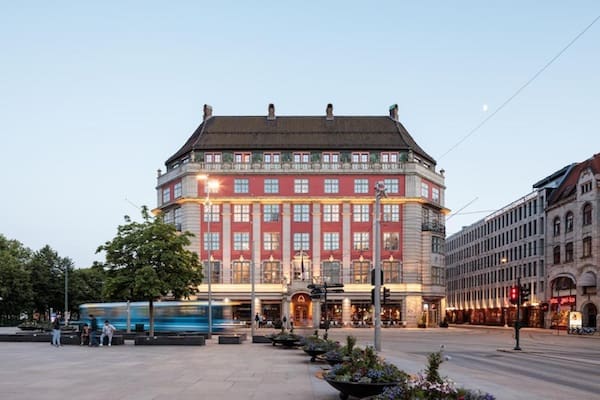
Amerikalinjen, located in the heart of Oslo, is housed in the grand former headquarters of the Norwegian America Line. Designed by architects Bjercke and Eliassen in a stately Neo-Baroque style, the building opened in 1919 and served as the gateway for thousands of Norwegians embarking on transatlantic journeys to the United States. Today, the hotel thoughtfully preserves this maritime heritage, featuring original architectural details like high ceilings and grand staircases alongside curated vintage photography and maps.
Forbes + 2 more“Amerikalinjen’s style tips a hat to American culture, namely the great jazz age, old Hollywood glam and the comfort of a cold Coca-Cola. It offers a basement jazz club inspired by such places in New York and festive jazz brunches.”
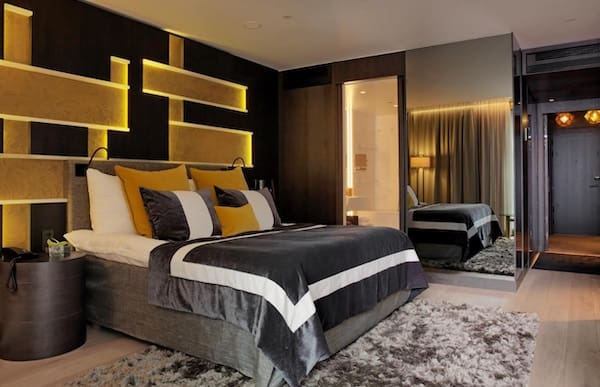
The Thief, located on the islet of Tjuvholmen in Oslo, offers a uniquely storied escape. Its name is a nod to the island's 18th-century past, when it served as a hideout for smugglers and "thieves." Today, the area has been completely transformed into a sleek hub for contemporary art and urban living, far removed from its shady history.
Lonely Planet + 2 more“Overlooking the Astrup Fearnley Museum, Oslo’s best design hotel is more dark glamour than Scandinavian sparse, though is packed with playful touches from beautiful artisan objects to video art, and guests can max out on the luxe vibe at the hotel spa.”
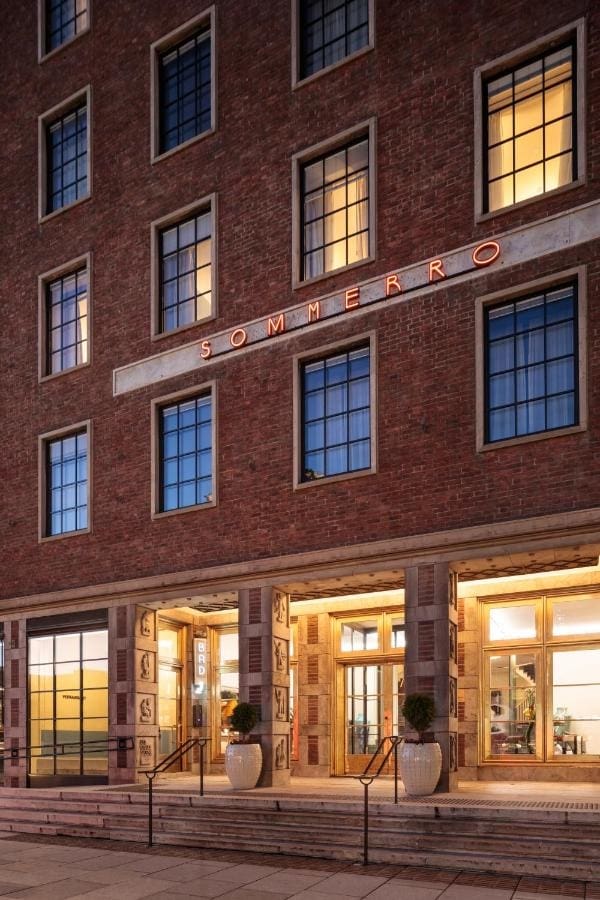
Sommerro, located in Oslo’s trendy Frogner district, is a stunning example of Art Deco revival. The building itself is a piece of history, originally serving as the headquarters for the city’s electric company, Oslo Lysverker, back in the 1930s. The developers kept much of the original character alive, including the striking granite facade and beautiful wood-paneled walls.
New York Times + 1 more“Sommerro, in the elegant Frogner neighborhood, is one of Oslo’s newest hotels, housed in the former Art Deco headquarters of an electrical company. All velvet upholstery and curved polished wood, the hotel has a wonderful pool.”
Featured in New York Times’ 36 Hours in Oslo.
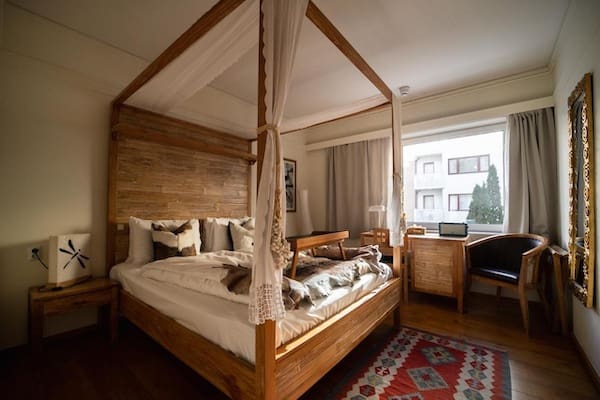
Hotel Guldsmeden in Oslo offers a refreshing escape that blends Nordic minimalism with warm, bohemian Balinese touches. Part of a family-run boutique chain, the property is celebrated for its deep-rooted commitment to sustainability, proudly holding eco-certifications. Guests often highlight the organic breakfast buffet and the cozy, personalized atmosphere that feels like a home away from home rather than a large, impersonal hotel.
New York Times + 1 more“In the residential Frogner neighborhood, the Oslo Guldsmeden is a 50-room boutique hotel with eco-friendly ethos and homey décor, romantic four-poster beds with fur throws, a Turkish sauna, and complimentary organic breakfasts.”
Featured in New York Times’ 36 Hours in Oslo.
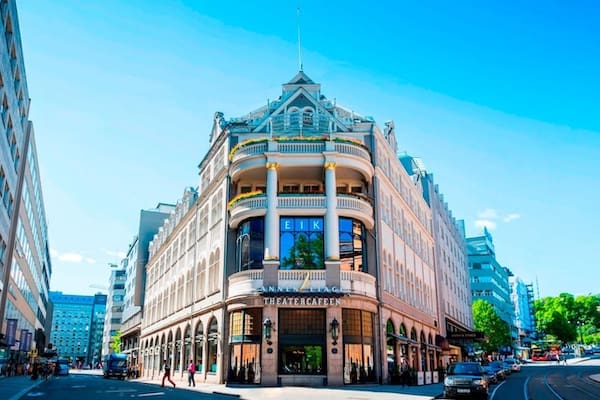
Hotel Continental is an iconic five-star landmark in the heart of Oslo, famously owned and operated by the same family for four generations. Since opening in 1900, it has served as a cultural pillar of the city, deeply intertwined with Norway’s artistic history. It is perhaps best known for the legendary *Theatercaféen*, a historic restaurant that has functioned as a primary meeting place for artists, actors, and writers for well over a century.
Frommers + 1 more“Home of Oslo’s famous Theatercaféen, the opulent Continental is wonderfully old-fashioned in style and ethos; there’s a lot of repeat business thanks to the smooth service and warm welcome accorded to all.”
Featured as Frommer’s Exceptional Choice in Oslo.
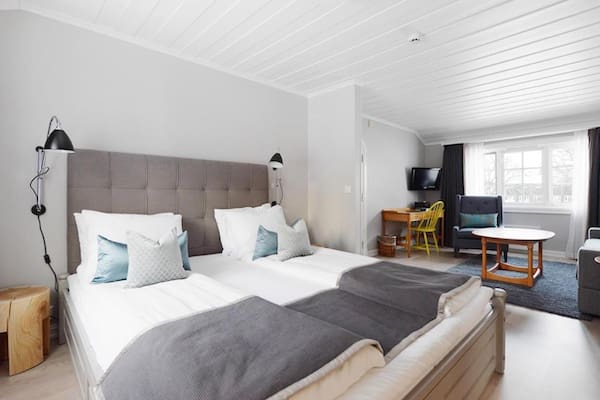
Lysebu Hotel is a historic gem on the Tryvannshøyden hill, offering one of the most unique origin stories in Norway. Originally built in 1916 as a private residence, the estate was later gifted by the Norwegian people to Denmark as a heartfelt "thank you" for the critical food aid provided during World War II. Today, it remains under the stewardship of the Fund for Danish-Norwegian Cooperation, dedicated to fostering cultural exchange between the two nations.
Lonely Planet“A gorgeous Norwegian-folk-style building from 1916 with easy access to the wilds of Nordmarka. Rooms are decorated in a clean, classical style that’s comfortable but far from twee, with spectacular views.”
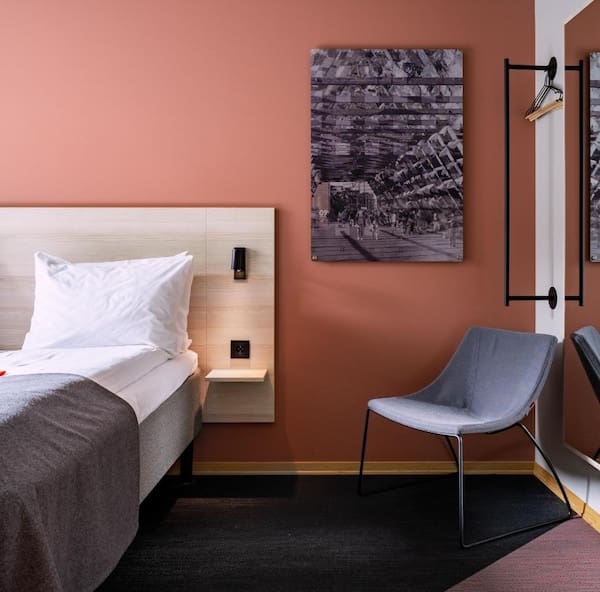
Citybox Oslo is all about radical simplicity. Located in the heart of the city, just a short walk from Oslo Central Station, this hotel strips away traditional hospitality "theatrics" to focus on what really matters: a great bed and an efficient, modern stay. By removing extras like daily housekeeping and traditional reception desks, they manage to keep prices accessible while maintaining a clean, contemporary aesthetic.
Lonely Planet“This functional city chain champions its trademark brand: no-frills, essentials-only rooms at bargain prices (well, at least for Norway). Don’t expect prison-block chic – it’s surprisingly smart, with plain all-white rooms, Scandi-style furniture, free wi-fi and a great downtown location.”
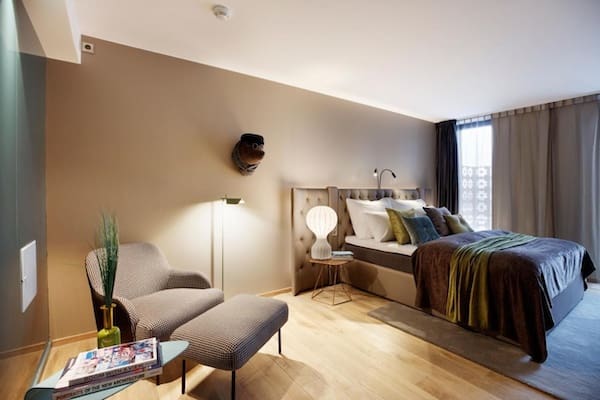
Clarion Hotel The Hub is Norway's largest hotel, boasting 810 guest rooms right in the heart of Oslo. Originally built for the 1952 Winter Olympics and formerly known as Hotel Viking, the building underwent a massive transformation and reopened in 2019. This extensive redesign, led by Lund+Slaatto Architects, blends historic foundations with sleek, modern Scandinavian style.
Telegraph“Oslo’s largest hotel (810 rooms spread over 13 floors) impresses with its emphasis on contemporary art; its rooftop garden of herbs and microgreens; Norda Restaurant, where consultant chef Marcus Samuelsson delivers his version of Nordic fusion; and the Bon Bon cocktail bar.”
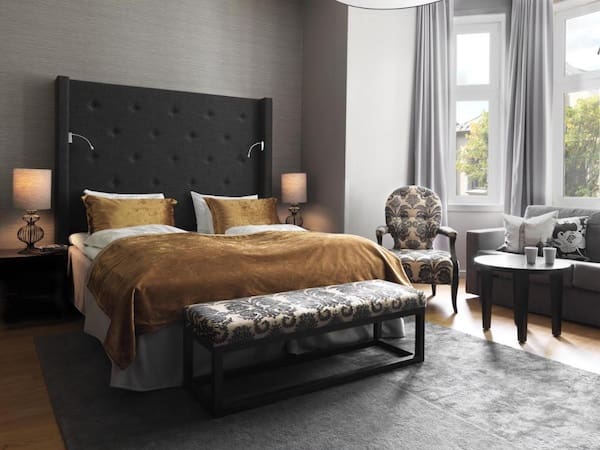
The Saga Hotel in Oslo is a refined boutique property nestled in the charming, leafy Majorstuen neighbourhood. Its name is the Norse word for legend or story, and the hotel leans into this identity by serving as a quiet, "hidden gem" guesthouse that offers a peaceful retreat while remaining within reach of the city's pulse.
Frommers“Housed in a carefully restored 1890s town house, the privately owned Saga is tucked away in a rare quiet corner of Oslo, is run on eco-friendly lines, and exudes a tranquil air of calm.”
Featured as Frommer’s Exceptional Choice in Oslo.
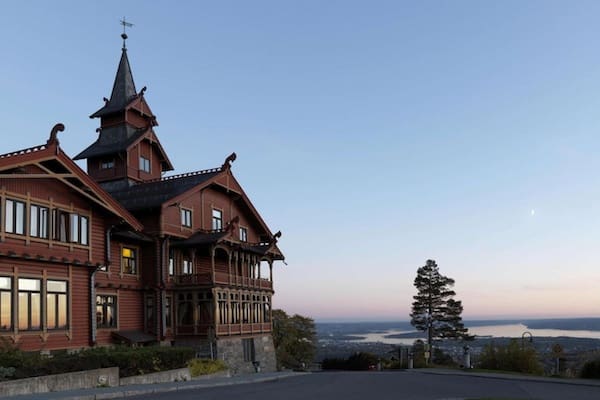
Scandic Holmenkollen Park is a historic gem perched high above Oslo, offering breathtaking views of the city and the fjord below. Opened in 1894, the original building is a prime example of the ornate "dragon style" of Norwegian architecture, reminiscent of the country’s medieval stave churches. It was designed by the architect Balthazar Lange, originally serving as a sanatorium before transitioning into a hotel.
Fodors“Dating back to 1894, this stunning and distinguished hotel has a peaceful mountaintop setting with unparalleled views of the city below. Guest rooms have relaxing color schemes and elegant wood furniture.”
Featured as Fodor’s Choice in Oslo.
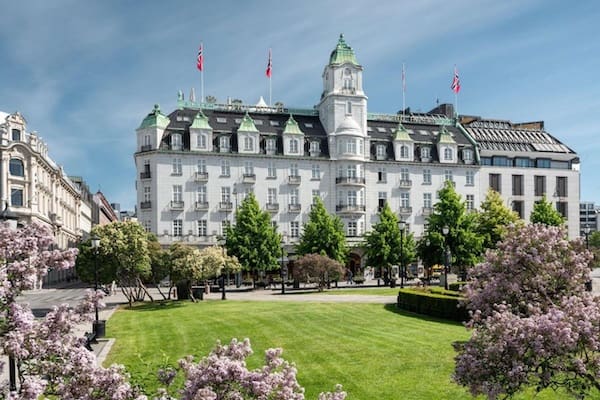
The Grand Hotel in Oslo is a true Norwegian icon, dating back to 1874. Located right on the bustling Karl Johans gate, it has hosted royalty, world leaders, and celebrities for over a century. Perhaps its most famous historical connection is to playwright Henrik Ibsen, who was a daily fixture at the hotel for years; he would take his lunch there and even had his own designated seat.
Fodors“Looking like it would be at home on any street in Paris, this grand dame with a mansard roof and Beaux-Arts entrance is the choice of visiting heads of state, rock musicians, and Nobel Peace Prize winners.”
Featured as Fodor’s Choice in Oslo.
Recommended by:
Forbes, New York Times, Telegraph
Recommended by:
Lonely Planet, Fodors, Frommers
Recommended by:
New York Times, CN Traveler
Recommended by:
New York Times, Frommers
Recommended by:
Frommers, Fodors
Recommended by:
Lonely Planet
Recommended by:
Lonely Planet
Recommended by:
Telegraph
Recommended by:
Frommers
Recommended by:
Fodors
Recommended by:
Fodors
Oslo is expensive. If you want to stay in a 3-star hotel in central Oslo, you would be looking at an average price of $150 per night. For 4-star hotels, the average price is around $200 per night. For a 5-star hotel in central Oslo, the average rate is around $330 per night.
The best areas to stay in Oslo are: Sentrum, Frogner, Grunerlokka, Ager Brygge or Majorstuen. Please read our extensive guide about where to stay in Oslo. It offers a great overview about each area, including the museums, attractions and other things, as well as the best place to stay in each area.
If you’re looking for an affordable hotel, then book Citybox Oslo. It’s an excellent budget hotel offering great value for money. It’s in a good location, it’s been recommended by travel experts and the hotel has excellent customer reviews. You should also check out our list of the best cheap hotels in Oslo.
You like some luxury but don’t like the famous chain hotels. If you’re looking for the best boutique hotel in Oslo, you should check out Amerikalinjen. It’s a very cool hotel that travelers and experts have highly recommended. For more cool hotels, check out our list of the best boutique hotels in Oslo.
If money isn’t a problem and you’re looking for a luxury hotel in Oslo, then go for Hotel Continental. The hotel offers excellent service, it’s in a top location, it has been rated very highly by previous guests and renowned travel critics have recommended it. For more 5-star hotels, check out our list of the best luxury hotels in Oslo.
There are a lot of things to do in Oslo and surrounding areas, including day trips, attractions, museums, sightseeing tours and many other activities. Here’s our list of 3 things you should definitely do when you’re in Oslo:
Sightseeing Cruise through Oslo's Fjords
Explore the diverse and unique islands and colorful houses of the Oslo Fjord on a boat tour, discovering charming landscapes, amazing city views, and the beautiful hills surrounding Oslo. Cruise in comfort as you snap pictures of superb scenery. Price: $40. More info.
Hop-On Hop-Off Oslo Bus Tour
Spend a day seeing the sights of Oslo, the oldest of the Scandinavian Capitals, from an open-top, double-decker tour bus. Your pass is valid for a full 24-hour period, and you can hop on and off at your leisure. Price: $28. More info.
Paradox Museum Entry Ticket
Trick your mind with 70 paradox-based exhibits with this ticket to the family-friendly Paradox Museum Oslo. Engage your senses with interactive exhibits and reality-defying optical illusions. Price: $25. More info.
More things to do in Oslo
Looking for a good and affordable private room or cozy dorm in Oslo? Check out K7 Hotel Oslo. The hostel has been highly rated by backpackers. Also, check out our shortlist of the best hostels in Oslo; it’s based on thousands of reviews from backpackers.
Oslo, the capital of Norway, holds a history that spans over a millennium, tracing its origins to 1048 when it was founded by King Harald Hardråde. Throughout the centuries, the city has been a witness to plague, devastating fires, and shifting political allegiances between Norway, Denmark, and Sweden. After a catastrophic fire in 1624, King Christian IV rebuilt the city to the west under the protection of the Akershus Fortress and renamed it Christiania, a title it held until its original name was restored in 1925.
Today, Oslo stands as a symbol of modern sustainability, innovation, and an egalitarian social model. It is a vibrant, rapidly growing urban center that manages to balance its status as a technological and cultural hub with a deep, uncompromising commitment to nature. Positioned uniquely between the vast, protected forest known as the Marka and the scenic Oslo Fjord, the city strives to be a global leader in green energy and climate-friendly urban planning. It serves as a gateway to Norwegian commerce and knowledge-based industries while maintaining a high quality of life that fosters transparency and community connection.
Beyond the well-known landmarks, Oslo is filled with intriguing curiosities. While most people associate the Nobel Prizes with Sweden, the Nobel Peace Prize is exclusively awarded in Oslo’s City Hall. The city also harbors the curious nickname “The Tiger City,” which stems from a 19th-century poem depicting a battle between a tiger and a horse, representing the perceived danger of the urban environment compared to the safety of the countryside. Furthermore, the city is a pioneer in biodiversity, having implemented the world’s first “bee highway” to provide safe passage for pollinators across the metropolitan area. From these historical layers to its forward-thinking environmental initiatives, Oslo remains a city of profound character and constant, deliberate evolution.
Get to know the city even better by reading our guide about where to stay in Oslo.
If you like our list of the best hotels and accommodations in Oslo, then you should also check out our selection of recommended hotels in Helsinki or the best hotels in Copenhagen.