














A mesmerizing blend of neon-lit futurism and serene, centuries-old tradition creates an endlessly captivating urban experience. We’ve handpicked the best hotels in Tokyo based on expert recommendations and thousands of genuine guest reviews. All of our recommended hotels have a review rating of at least 4 out of 5 stars.
Best cheap hotel in Tokyo: Hotel Resol Ueno
Best boutique hotel in Tokyo: Hotel Celestine Ginza
Best luxury hotel in Tokyo: Hotel Park Hyatt


Park Hyatt Tokyo is an iconic luxury destination occupying the top floors of the Shinjuku Park Tower, a masterpiece designed by Pritzker Prize-winner Kenzo Tange. Since opening in 1994, it has become a symbol of cinematic prestige, famously serving as the primary backdrop for Sofia Coppola’s Lost in Translation. Following an extensive restoration, the hotel recently reopened in 2026, balancing its legendary history with refreshed, contemporary interiors.
Fodors + 4 more“One of the most magnificent properties in Tokyo, the Park Hyatt hovers over Shinjuku boasting some of the best views, finest restaurants, incredible bars, and stellar service. Refined and remarkable, this high-priced property just might be worth every penny.”
Featured as Fodor’s Choice in Tokyo.
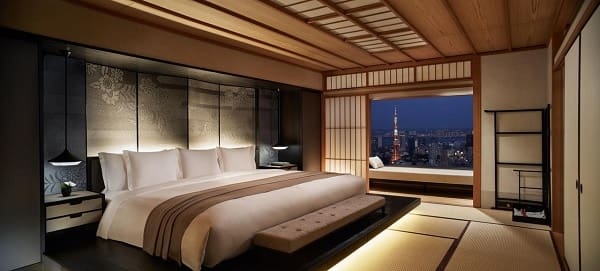
The Ritz-Carlton, Tokyo, is a masterclass in urban luxury, occupying the top nine floors of the 53-story Midtown Tower in the vibrant Roppongi district. Starting on the 45th floor, the hotel offers some of the most dramatic views in the city, with floor-to-ceiling windows providing panoramic vistas of the Imperial Palace, Tokyo Bay, and, on clear days, the iconic silhouette of Mount Fuji.
CNN + 4 more“This five-star stunner takes up the top nine floors of the 53-story Midtown Tower (along with the first three levels), with views rivaling those of the Park Hyatt. The Ritz-Carlton Tokyo has a range of accommodation options, including a Japanese-style room.”

The Andaz Tokyo Toranomon Hills, which opened in 2014, occupies the top floors of the striking 52-story Toranomon Hills Mori Tower. Its sophisticated interiors are the result of a creative collaboration between New York designer Tony Chi and Tokyo-based Shinichiro Ogata. They crafted a space that feels like a serene, private residence, blending modern luxury with traditional Japanese aesthetics through materials like walnut wood and handmade washi paper.
New York Times + 3 more“The Andaz Tokyo Toranomon Hills opened in 2014 on the top six floors of a new 52-story skyscraper. Expect Zen-like interiors and up-in-the-clouds views everywhere from the spa with multiple pools and the open-air rooftop bar to the 164 rooms and suites with wall-to-wall windows.”
Shortlisted in New York Times’ 36 Hours in Tokyo, Japan.
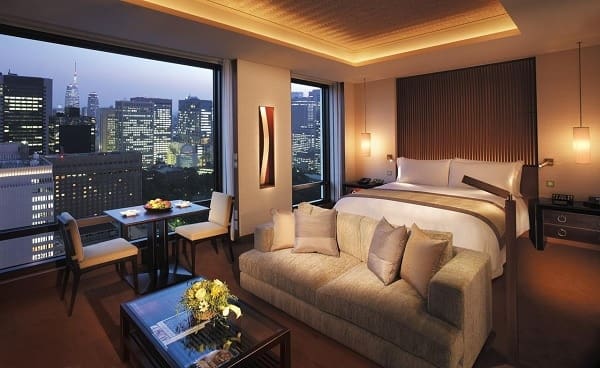
The Peninsula Tokyo is an architectural standout in the Marunouchi district, designed by architect Kazukiyo Sato to resemble a traditional Japanese paper lantern. When illuminated at night, the amber granite tower glows softly against the city skyline. Opened in 2007, it holds the distinction of being the first freestanding luxury hotel built in Tokyo in over a decade, offering a private, self-contained oasis in a dense metropolis.
CNN + 3 more“A Peninsula hotel is like that frustrating friend who, no matter how hard you look, has no flaws. Not one. The Peninsula Tokyo is located in the city’s ritzy Ginza district, a stroll away from designer boutiques and Michelin-starred restaurants.”

The Mandarin Oriental, Tokyo, is a masterpiece of luxury perched high above the city in the Nihonbashi Mitsui Tower. Designed by the renowned architect Cesar Pelli, the hotel occupies the top floors of a building that elegantly bridges the gap between Tokyo's historic roots and its modern skyline. Upon arrival, a private elevator whisks guests to the 38th-floor "Sky Lobby," offering breathtaking, uninterrupted views of the metropolis.
Frommers + 3 more“Located in the historic Nihonbashi district just steps away from the venerable Mitsukoshi department store, this sophisticated hotel occupies the top floors of the soaring Nihonbashi Mitsui Tower, affording outstanding city views from its 38th-floor lobby, its restaurants, and guest rooms.”
Featured as Frommer’s Exceptional Choice in Tokyo.
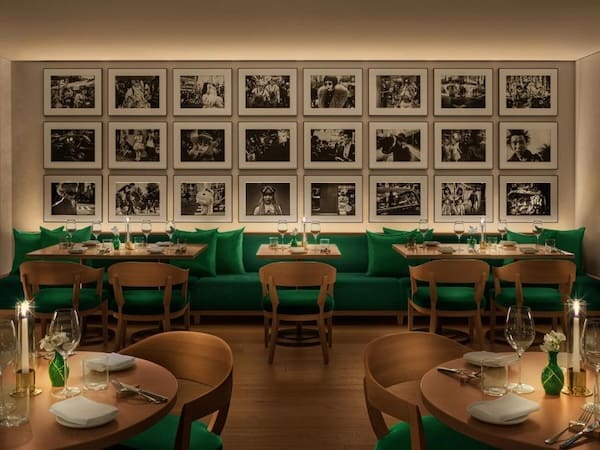
The Tokyo EDITION, Ginza, which opened in late 2023, is a striking boutique addition to one of Tokyo's most exclusive districts. Designed by world-renowned architect Kengo Kuma in collaboration with hotelier Ian Schrager, the building is a masterclass in "weaving" together modern global design with traditional Japanese craftsmanship. Its unique façade, featuring a latticework of metal that shimmers against the streetscape, makes it an instant landmark.
Cosmopolitan + 2 more“The rooms at the Tokyo EDITION, Ginza make you feel like you’re about to have the best adult sleepover of your life. The robes? Plushy. The throw blankets? White and fuzzy. It’s all Le Labo everything in the bathroom and you feel like a million bucks.”
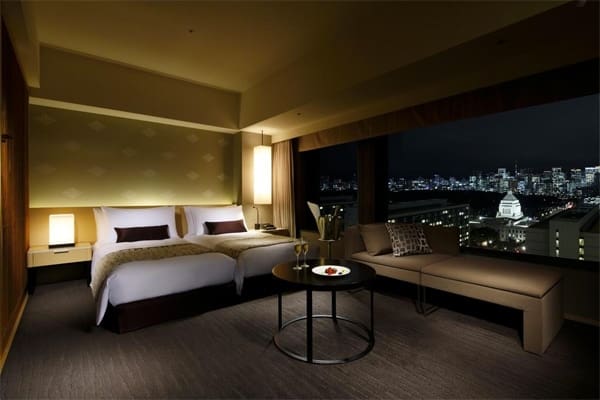
The Capitol Hotel Tokyu is a serene, high-end sanctuary located in the heart of Tokyo’s Nagatacho district. Originally established in 1963 as the Tokyo Hilton—Japan’s first global hotel chain—it was later rebuilt and reopened in 2010. This modern masterpiece was designed by the renowned architect Kengo Kuma, who is also celebrated for his work on Tokyo’s National Stadium.
New York Times + 2 more“After a complete overhaul, the Capitol Hotel Tokyu reopened in 2010 in a 29-story, latticed-steel tower designed by the architect Kengo Kuma. The landmark property has three restaurants, a multilane lap pool and 251 rooms with rice-paper screens and views of the neighboring Imperial Palace or Akasaka skyline.”
Shortlisted in New York Times’ 36 Hours in Tokyo, Japan.

Hotel Claska in Tokyo was a landmark of Japanese design, famously known as the city’s first true boutique hotel. Originally built as the Hotel New Meguro in 1967, it underwent a complete transformation in 2003 led by Iku Hirose of Urban Design Systems. Its name, "Claska," was derived from the Japanese phrase do kurasuka, which translates to "how best to live," a philosophy that shaped its unique residential and creative spaces.
CNN + 2 more“The Claska hotel is for travelers who crave designer digs. Its 18 rooms are divided into four categories: Japanese modern, tatami, weekly residence and “DIY” — the latter being custom creations of Japanese designers.”
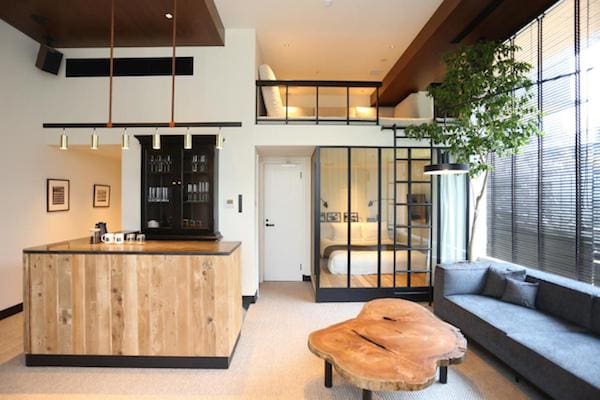
TRUNK(HOTEL) in Tokyo is a pioneering boutique property that redefined the city’s hospitality scene when it opened in Shibuya in 2017. Founded by entrepreneur Yoshitaka Nojiri, the hotel was built with a philosophy of "socializing"—an effort to encourage guests to live authentically and contribute to their local community. The architecture, designed by Mount Fuji Architects Studio, features a distinctive angular, dark-grey structure softened by lush greenery, helping it blend naturally into its neighborhood.
CN Traveler + 2 more“Pocketed in between Shibuya and Harajuku, Trunk (Hotel)’s two low-rise buildings are four stories each. Hardly a stone’s throw from some of Tokyo’s most hipster streets, it’s a high cost, but you’re really booking a whole lifestyle.”
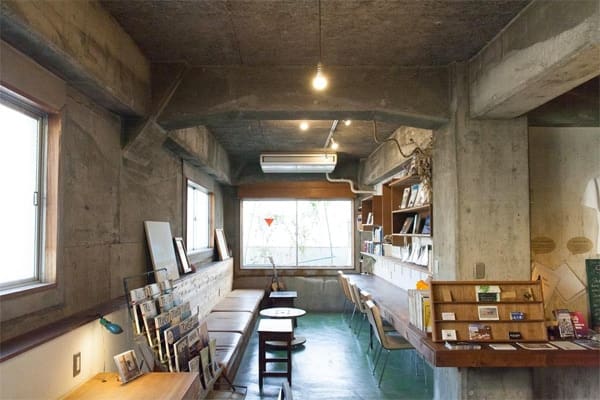
Nui. Hostel & Bar Lounge, located in the creative Kuramae neighborhood, is a fantastic example of adaptive reuse. The building was once a traditional warehouse for a toy company with a history dating back to the Edo period. In 2012, it was thoughtfully renovated by a team of designers, carpenters, and craftspeople to create a space that bridges the gap between travelers and the local community.
Lonely Planet“In a former warehouse, the Nui hostel has raised the bar for stylish budget digs in Tokyo. High ceilings mean bunks you can comfortably sit up in and there is an enormous shared kitchen and work space.”
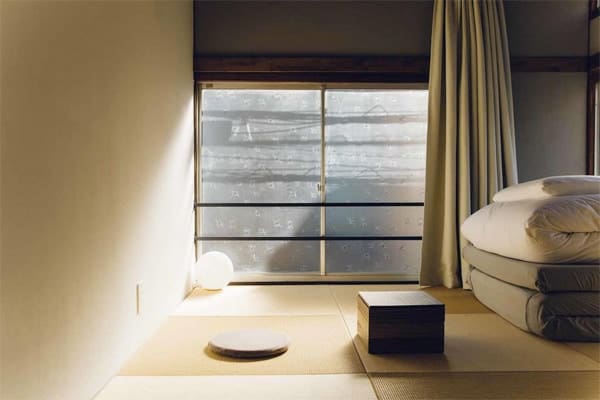
Guesthouse Hanare is not a typical hotel; it operates on the unique concept that "the whole town is your hotel." Located in the historic Yanaka district of Tokyo, the property consists of six rooms spread across two different buildings, including a beautifully renovated 70-year-old wooden apartment house. By dispersing its guests throughout the neighborhood, the hotel encourages them to step out and engage with the local community as if they were residents rather than tourists.
Lonely Planet“A project of Tokyo University of the Arts, Hanare offers five immaculate tatami rooms in an old dormitory house, which has been tastefully upgraded to retain original features such as wooden beams.”

The Westin Tokyo, opened in 1994, is a refined urban sanctuary located in the sophisticated Ebisu district. Its design blends classic European elegance with Japanese sensibilities, featuring signature marble pillars and interiors that feel like a grand indoor conservatory. Recently renovated, the hotel pays homage to the local history of Ebisu—once home to a famous beer factory—by incorporating artistic nods to water and industrial heritage throughout the space.
CNN“The folks who build Westin hotels snagged themselves a location to brag about when they set up shop in Tokyo’s residential Ebisu neighborhood. Sure, these are not luxury rooms, but they’re nothing to complain about and just a few strides from Yebisu Garden Place.”

Hoshinoya Tokyo is a remarkable "vertical ryokan" that masterfully brings the soul of a traditional Japanese inn into a 17-story skyscraper. Opened in 2016 in the Otemachi financial district, the hotel was designed by Azuma Architect & Associates to offer a serene sanctuary amidst the city's corporate hustle. From the moment you enter and remove your shoes, you are enveloped in a space where modern architecture meets ancient ritual.
Lonely Planet“In creating its brand-new contemporary ryokan in the heart of Tokyo, Hoshinoya has barely put a foot wrong. This ryokan is all about insulating yourself from the city in a building that incorporates timeless craftsmanship and the best of traditional Japanese design and service.”
Recommended by:
Fodors, CNN, Frommers, Forbes, Telegraph
Recommended by:
CNN, Forbes, Fodors, Frommers, Telegraph
Recommended by:
New York Times, Fodors, Forbes, Telegraph
Recommended by:
CNN, Forbes, Frommers, Telegraph
Recommended by:
Frommers, Fodors, Forbes, Telegraph
Recommended by:
Cosmopolitan, Travel+Leisure, CN Traveler
Recommended by:
New York Times, Fodors, Telegraph
Recommended by:
CNN, Lonely Planet, Telegraph
Recommended by:
CN Traveler, New York Times, Telegraph
Recommended by:
Lonely Planet
Recommended by:
Lonely Planet
Recommended by:
CNN
Recommended by:
Lonely Planet
The land of the rising sun, Tokyo, the busy capital of Japan is an eclectic blend of traditional and modernity. Historical temples to skyscrapers jostle from space in the skyline. Although it is one of the busiest capitals, it is known for its law and order.
Shinjuku
The world’s busiest railway station holds testament to the popularity of this place. It is home to premier hotels and restaurants catering to the commercial crowd. Golden Gai boosts a fabulous nightlife. Japan’s biggest red light area is found here. There are several parks and departmental stores, and also the largest twin towers.
Shibuya
It translates into “Astringent valley” and is famous for its Meiji Shrine and the Imperial Garden. The shopping malls cater to the young and happening crowd. Top hotels and vibrant night-clubs attract a huge influx of tourists. It is the favourite destination for the ones from Hollywood.
Ginza
It is one of the posh localities with stores of opulent designer labels and boulevard housing famous hotels. It is considered to be one of the most expensive areas with cafes and bars offering gourmet food to the eminent crowd.
Kenji
It offers the much-needed respite from the cacophony that rest of Tokyo has to offer. Look street is famous for its bargaining and affordable bed and breakfast options.
Odaiba
It is an artificial island which can be accessed by Japan's first futuristic train. It is an advanced entertainment zone, providing a breathtaking view of Mt. Fuji from the Ferris wheel and robotic interaction at the museum. You can enjoy the sights while dining at the famous sushi bars along the quay.
Also check out our travel guide about the best areas to stay in Tokyo.
If money isn't a problem and you're looking for a luxury hotel in Tokyo, then go for Hotel Park Hyatt. The hotel offers excellent service, it's in a top location, it has been rated very highly by previous guests and renowned travel critics have recommended it. Also check out our list of the best luxury hotels in Tokyo, it's a manually curated list of the most exclusive 5-star hotels in the city.
You like some luxury but don't like the famous chain hotels. If you're looking for the best boutique hotel in Tokyo, you should check out Hotel Celestine Ginza. It's a very cool hotel that has been highly recommended by travelers and experts.
Also check out our list of the best boutique hotels in Tokyo, it's a manually curated list of the most unique and romantic hotels in the city.
If you're looking for a cheap hotel in Tokyo, then book Hotel Resol Ueno. It's an excellent budget hotel offering great value for money. It's in a good location, it's been recommended by travel experts and the hotel has excellent customer reviews. Also check out our list of the best cheap hotels in Tokyo.
If you're looking for a great hostel in Tokyo, then you should check out Hostel Nui. The hostel has magnificent reviews by backpackers, it has been recommended by well-known travel experts and it's in a good location. Also check out our list of the best hostels in Tokyo.
Try Guesthouse Hanare if you're looking for a delicious breakfast at a hotel in Tokyo. It has excellent customer review ratings for breakfast.
If you're looking for a room with a view, then try The Ritz-Carlton Hotel or Hotel Park Hyatt. Both hotels offer amazing views of Tokyo according to recent customer reviews.
For a 3-star hotel you have to pay around $130 per night and for a 4-star hotel you would be looking at $210 per night. If you're after a luxury 5-star Tokyo hotel then you can expect to pay around $450 per night.
teamLab Planets TOKYO: Digital Art Museum Entrance Ticket. Explore the immersive exhibits within teamLab Planets TOKYO, a must-see attraction on any visit to Tokyo. Discover digital art installations made of lights, sounds, and different materials to delight all five senses. Price: $31.
Tsukiji Fish Market Visit with Sushi Making Experience. Take a closer look at the fascinating world of sushi, extending from the ocean to your plate, during this 4-hour sushi-making class and a visit to the outer Tsukiji fish market. Price: $136.
Mt Fuji and Hakone 1-Day Bus Tour by Bus. Admire the natural beauty of Hakone and relax over lunch with views of the highest mountain in Japan, Mt. Fuji. Climb aboard a boat for a scenic tour on Lake Ashi and go for a ride on an aerial tram above Owakudani Valley. Price: $140.
More things to do in Tokyo
Tokyo, the sprawling heart of Japan, began its journey as Edo, a humble 12th-century fishing village. It did not rise to true national prominence until 1603, when Tokugawa Ieyasu established his shogunate there. For over two centuries, this seat of military power flourished in isolation, fostering a unique culture of art, commerce, and craftsmanship. The city’s identity shifted dramatically in 1868 during the Meiji Restoration, when it was officially renamed Tokyo—meaning “Eastern Capital”—and ascended to its role as the imperial seat. Despite surviving the catastrophic 1923 Great Kantō earthquake and the near-total destruction of World War II, Tokyo emerged with an indefatigable spirit, reinventing itself through a postwar “economic miracle” to become the world’s most populous metropolitan area.
Today, Tokyo stands as a global titan, a seamless fusion of hyper-modernity and profound tradition. It serves as a nerve center for international finance, technology, and pop culture, where neon-drenched skyscrapers in districts like Shinjuku stand mere miles from the serene, ancient grounds of Senso-ji Temple. The city represents a paradox of relentless efficiency—where trains run with second-by-second precision—balanced by a deep-seated commitment to social harmony and safety.
Beyond its famous landmarks, Tokyo hides fascinating quirks. While many visit for the sushi, few realize that Tokyo consistently holds more Michelin stars than any other city on earth. Its subterranean landscape is equally impressive; certain train platforms, such as those on the Toei Oedo line, sit significantly below sea level, shielded by a massive, sophisticated system of floodgates and levees. Furthermore, the city is home to the world’s busiest transit hub, Shinjuku Station, which serves millions of commuters daily. From its humble origins as an estuary outpost to its current status as a futuristic megalopolis, Tokyo remains a city that continuously defies expectations, forever rebuilding and refining itself while keeping its soul firmly rooted in history.
We recommend you read our guide about where to stay in Tokyo. It provides an excellent overview of the most popular areas, highlighting the main attractions and hotel recommendations for each area.
If you like our list of the best hotels in Tokyo, then you should also check out our selection of recommended hotels in Shanghai or the best hotels in Seoul.